

Latest News
Stay updated with the latest tips and information from BAC Logistics.
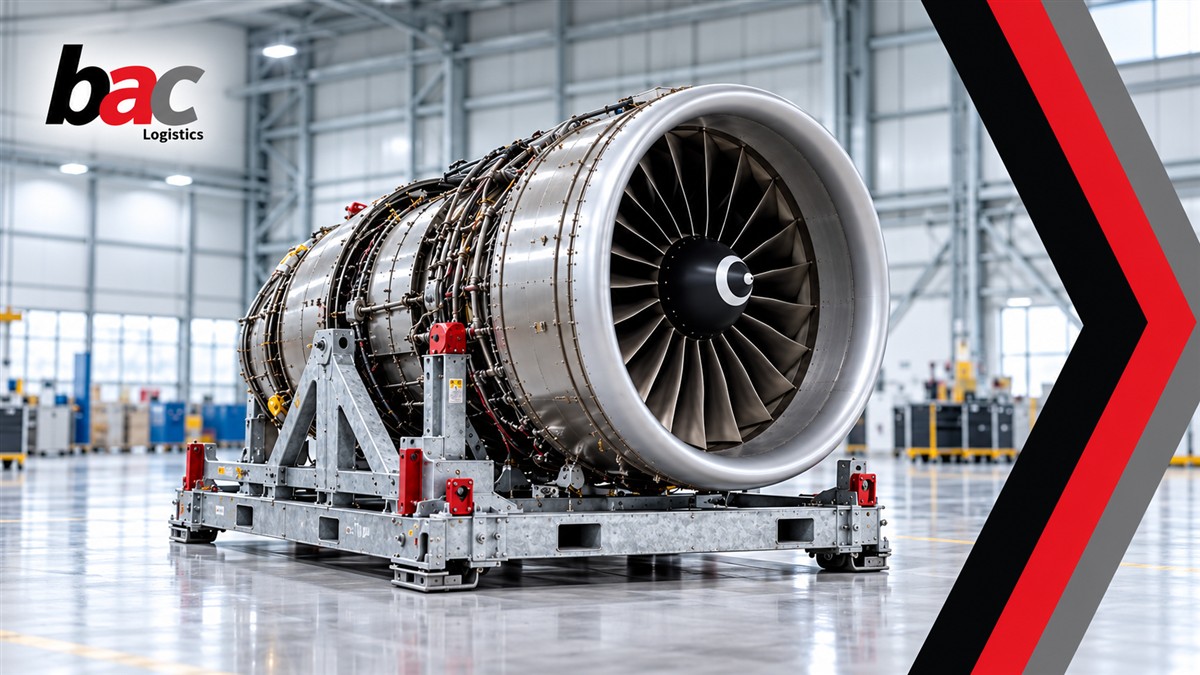
AOG Aircraft Parts Exports from South Africa: Shipment Planning
When an aircraft is grounded waiting for a part, the useful question is simple: when can that part reach the maintenance team? A departure time alone won't answer it. Collection, airline acceptance, customs and the last delivery leg all have to fit.
At BAC Logistics, outbound aircraft parts are a core part of our aerospace and AOG cargo work. Here is the information we need to start planning an AOG aircraft parts export from South Africa.
Send the collection address, destination and required delivery time, including the time zone. Let us know whether the aircraft is already grounded, the part is for scheduled maintenance, or you are replenishing stock. Those are different delivery requirements.
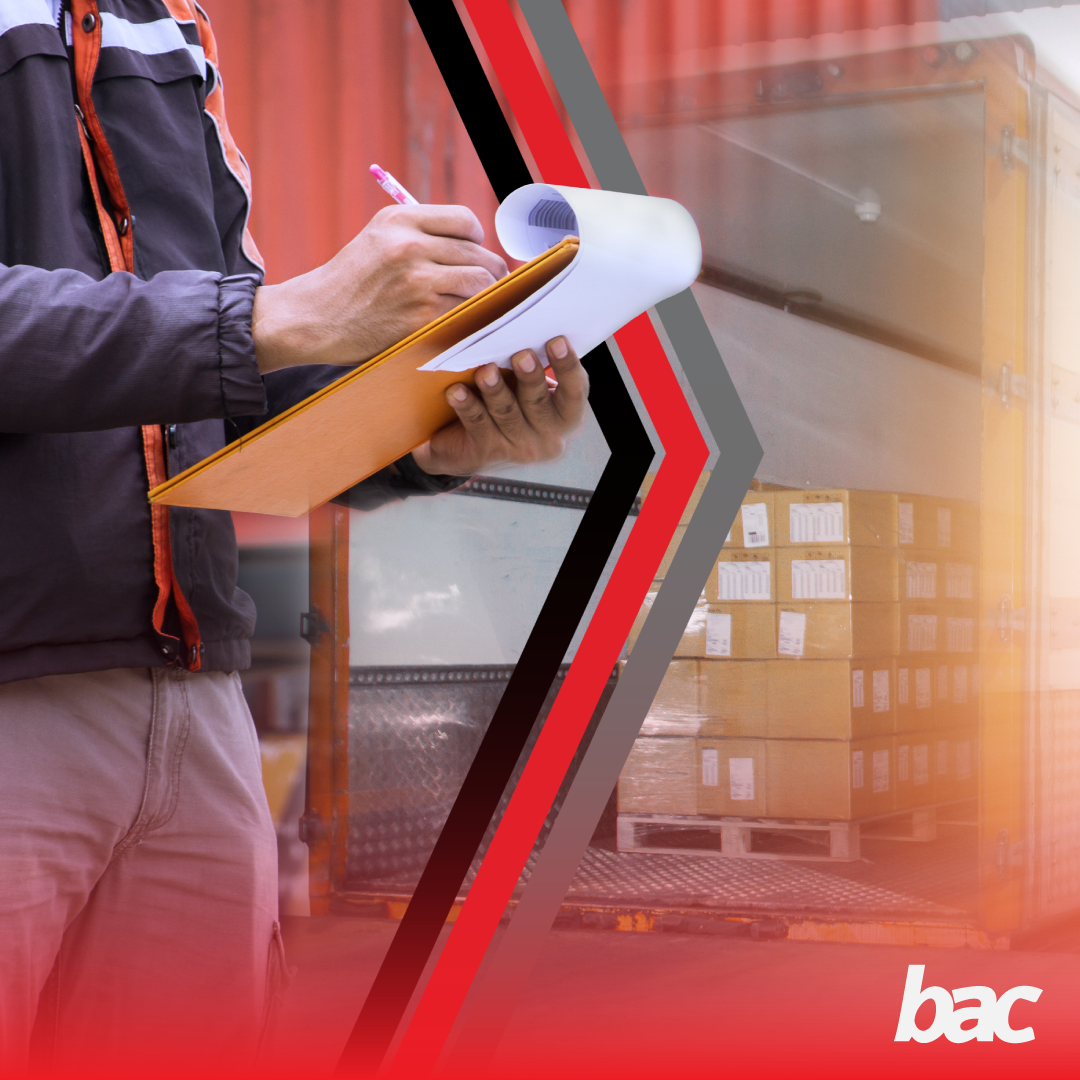
Bonded Warehousing vs Standard Warehousing For Importers
For importers, warehousing is not only about finding space for cargo. The customs status of the goods determines what type of storage may be needed.
Standard warehousing and bonded warehousing both involve storing goods, but they serve different purposes. Standard warehousing is usually used for goods that have already been cleared and can move freely. Bonded warehousing is used for imported goods that have been admitted into bond and must remain under customs control until the requirements for release from the bonded warehouse have been completed. This may include payment of applicable duties or VAT, Customs release and preparation for onward movement.
From our experience, this difference matters once imported goods have entered the bonded process but are not yet ready to enter free circulation.

Managing Import Stock in Bonded Warehousing
Imported stock does not always move directly from arrival to final release and delivery.
Where goods are intended for bonded warehousing, the required Customs release must first be obtained before they can be moved into the bonded warehouse. Once the goods have been admitted into bond, they may remain there under customs control until the requirements for their subsequent release have been completed.
During this period, the importer still needs to know where the stock is, what customs status it is in, what requirements remain outstanding and how it will move once release from bond is possible.
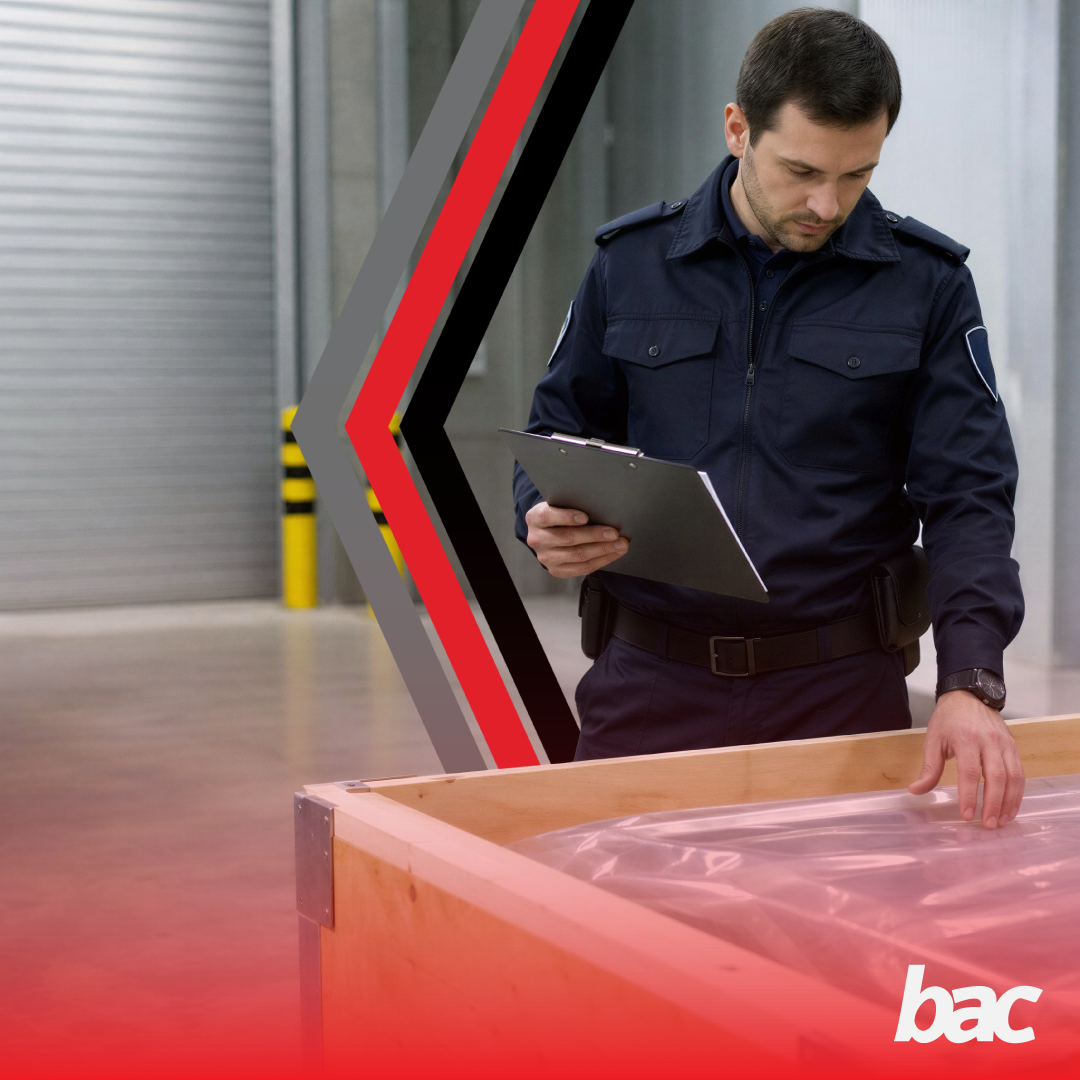
What Happens to Cargo Before Customs Release?
Many importers expect cargo to be ready once it arrives.
In practice, arrival is only one step in the movement. Before imported goods can move freely, several things may still need to happen. Cargo may need to be received, held, checked, documented, cleared, stored under customs control and planned for onward delivery.
From our experience, the period before customs release is where many avoidable delays begin. If documentation, customs clearing, storage and delivery planning are not aligned, cargo can arrive but still remain unavailable for movement.
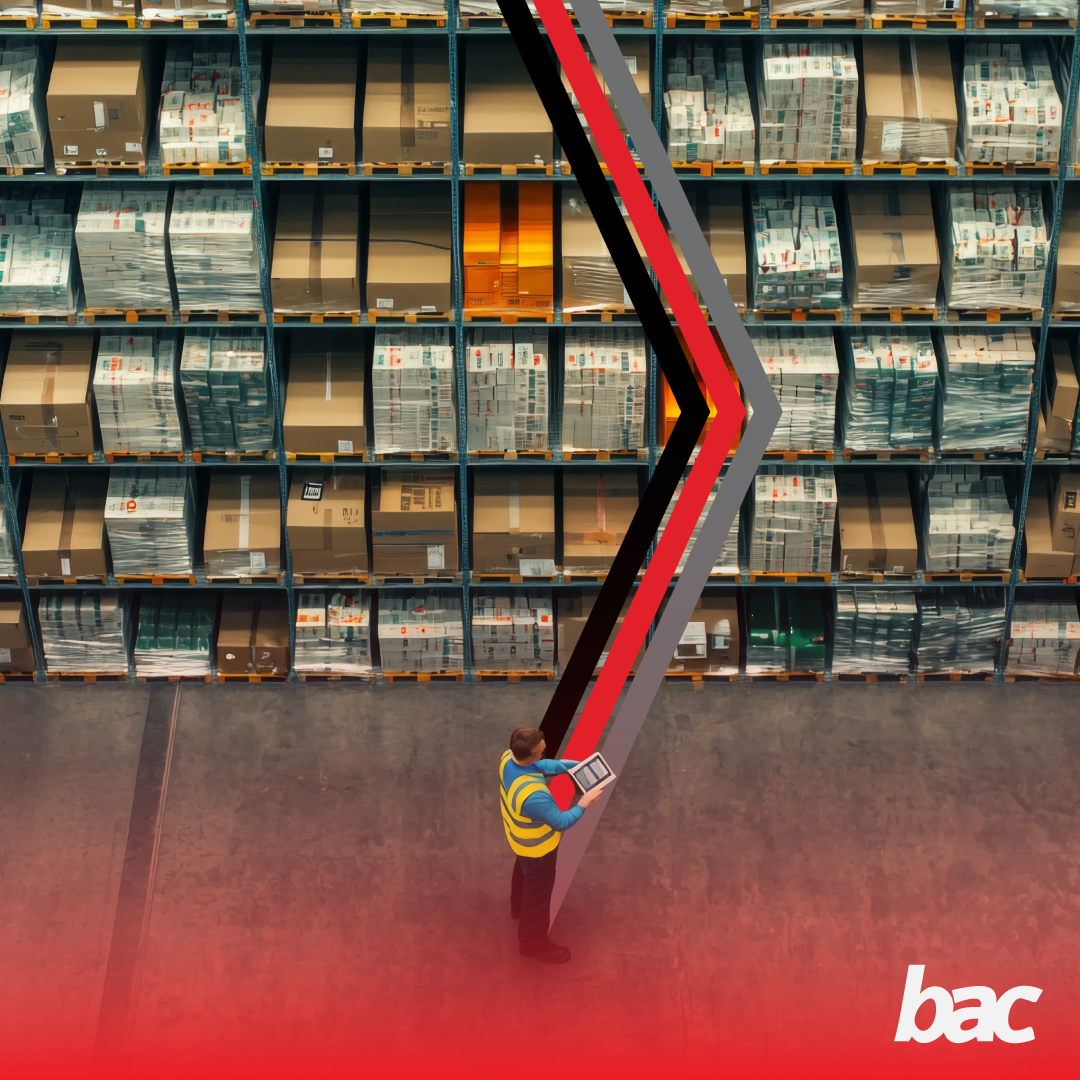
When Should a Business Use Bonded Warehousing?
Bonded warehousing is useful when imported goods have been admitted into bond and need to remain under customs control before they can enter free circulation.
Once the required Customs release has been obtained for goods to enter a bonded warehouse, the goods may remain there until the requirements for their subsequent release are completed. This may include payment of applicable duties or VAT, completion of the relevant customs process and planning for onward movement.
From our experience, bonded warehousing is most useful when businesses understand the distinction between the Customs process required to move goods into bond and the process required to release goods from the bonded warehouse.
Air Freight Quotes in SA: What Affects Costs and Timing?
Businesses often expect an air freight quote to depend mainly on where the cargo is going. Route does matter, but it is only one part of the quote.
For businesses moving cargo into or out of South Africa, an air freight quote is influenced by what is moving, how large or heavy the shipment is, where it needs to go, how urgent it is, how the cargo must be handled, whether customs documentation is ready and what needs to happen after arrival.
From our experience, the quality of an air freight quote depends on the information behind it. Weight, dimensions, destination, urgency, handling requirements, customs documentation and final delivery all affect cost and timing before the cargo moves.
FCL vs LCL: What Importers Should Know About Sea Freight
Importers often compare FCL and LCL by asking which option is cheaper. Cost matters, but it is not the only factor that should guide the decision.
The choice between FCL and LCL can affect shipment timing, handling, customs planning, storage and onward delivery after arrival. A sea freight option that looks suitable on price may create pressure later if the cargo, documentation, release process or delivery plan is not aligned from the start.
From our experience, the FCL or LCL decision should not be based on shipment size alone. It should also consider how the cargo will be handled, cleared, stored and delivered once it reaches South Africa.
Sea Freight Planning for Importers: What to Know
Sea freight gives importers more planning time than urgent air freight, but that time only helps if the shipment is prepared properly before the cargo ships.
For businesses importing goods by sea, the planning process should begin before the cargo reaches the port of departure. Shipment type, documentation, customs requirements, port timelines, storage needs, and onward delivery all need to be understood before the shipment is already on the water or nearing arrival.
From our experience, sea freight delays often start before cargo reaches the port of arrival. They begin when shipment details, documentation, customs readiness, storage requirements or onward delivery plans are not aligned early enough.
Air Freight vs. Sea Freight: Choose the Right Option
Air freight is often seen as the faster option, while sea freight is often seen as the more cost-effective option. That comparison is useful, but it is not enough to make the right freight decision.
For businesses moving cargo into or out of South Africa, the right option depends on more than speed or freight rate. Urgency, cargo type, shipment size, cost pressure, customs readiness, and final delivery requirements all influence whether air freight or sea freight is the better fit.
From our experience, the right freight option is not always the fastest or the cheapest. It is the option that fits the cargo, the timeline, the customs requirements, and the delivery plan with the least avoidable pressure.

Clearing & Forwarding Agents: What SA Businesses Should Know
A clearing and forwarding agent is often thought of as someone who only handles customs paperwork. In practice, the role is broader.
For South African businesses moving goods into, out of or across the country, clearing and forwarding connects the customs process with the physical movement of cargo. It helps ensure that documentation, customs requirements, freight arrangements, and onward logistics are working together before the shipment reaches a pressure point.
From our experience, freight movement comes under pressure when customs, transport, documentation, and delivery planning are handled as separate pieces. A shipment may be booked, cargo may be ready, and transport may be available, but if the customs status, documents or onward movement are not aligned, the process can still be delayed.
Common Customs Mistakes That Delay Cargo
Customs delays are often noticed when cargo is already held, queried or waiting for release. But in many cases, the cause starts much earlier.
From our experience, customs delays rarely begin only at the point of inspection or clearance. They often begin when documents are incomplete, cargo information is too vague, tariff considerations have not been checked, permits are missing or the customs status of the shipment is unclear.
For importers and exporters, these issues can create pressure across the full logistics movement. A shipment may be ready to move, transport may be arranged and delivery expectations may already be in place, but customs clearing can still be delayed if the information supporting the shipment is not accurate, complete or aligned.
Customs Clearing vs Customs Consultations: What Do You Need?
Not every customs enquiry starts with a shipment that is ready to clear.
Some businesses need active customs clearing because cargo is already moving, arriving or waiting for release. Others first need customs guidance because the documentation, tariff position, permits, cargo status or clearance requirements are still unclear.
From our experience, businesses do not always know which support they need at the start. That is understandable. Customs clearing and customs consultations are closely connected, but they do not serve the same purpose.